When New Meets Old: Creating Harmony Between an Addition and the Existing Home

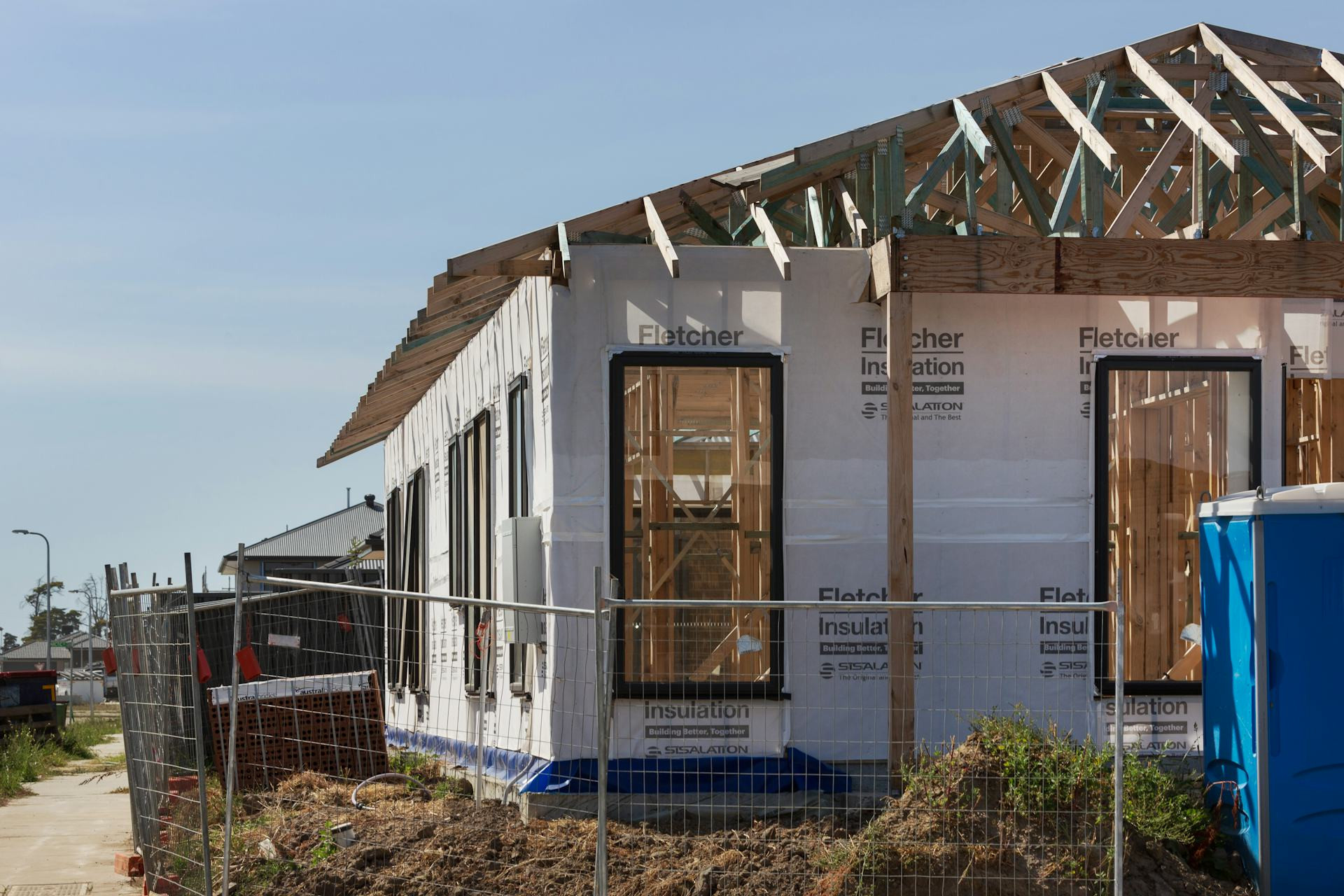
When New Meets Old: Creating Harmony Between an Addition and the Existing Home
Adding on to your home isn’t just about gaining extra square footage—it’s about creating a sense of unity. A well-designed addition should feel like a natural extension of the existing house, both in function and in style. But how do you make the new and the old work together so the result feels balanced and timeless? Here’s some inspiration and practical advice for blending the past and the present into one harmonious home.
Understand Your Home’s Character and Context
Before you start sketching or planning, take time to understand the home you’re adding to. What architectural style defines it? What materials, proportions, and details give it character? And how does it sit on the lot?
A Craftsman bungalow calls for a different approach than a mid-century ranch or a Colonial revival. By starting with the home’s original character, you can design an addition that respects its history—without simply copying it.
Decide whether your addition should blend in or create contrast. Both approaches can work beautifully when done intentionally. A seamless addition in a similar style can create a calm, cohesive look, while a modern contrast can highlight the original structure and bring new life to it.
Materials That Tie It All Together
Material choices play a major role in how old and new meet. Many homeowners choose to use the same materials as the existing house—brick, wood siding, or stucco—but in a refreshed or updated way. This approach creates continuity while allowing the addition to have its own identity.
Another strategy is to use materials to mark the transition. A glass connector or a light wood breezeway can serve as a bridge between two structures with different characters. This not only brings in natural light but also makes the transition clear and elegant.
Pay attention to the details: roof pitch, window proportions, trim profiles, and color tones. Small differences can have a big impact on the overall impression.
Light, Space, and Function
An addition is a perfect opportunity to improve your home’s layout and natural light. Many older American homes have smaller rooms and limited daylight, so a new space can open the house toward the backyard or create better flow between the kitchen, living area, and outdoor spaces.
Think about how the rooms connect—both practically and visually. An addition shouldn’t feel like an “afterthought,” but like a natural continuation of the home’s rhythm. You can achieve this by repeating elements such as flooring, ceiling height, or color palette.
Large windows, skylights, or glass doors can create a smooth transition between indoors and outdoors, while also revitalizing the existing rooms with more light and openness.
Respect for Scale and Proportion
Even a beautifully designed addition can feel wrong if the proportions don’t fit the original house. An addition that’s too large can overwhelm the old structure, while one that’s too small may look awkward or disconnected.
Think about the home as a whole: How does it look from the street, the backyard, and the driveway? How do rooflines, window placements, and facades relate to each other? An architect or designer can help you find the right balance so the addition feels both functional and visually harmonious.
Læs også:

Energy Efficiency and Sustainability
When building new, it’s smart to think about energy efficiency and sustainability from the start. An addition can be an opportunity to upgrade the entire home—with better insulation, energy-efficient windows, or solar panels.
By combining modern building techniques with the existing structure, you can create a home that’s both beautiful and energy-smart. The key is to integrate these improvements thoughtfully, so technical upgrades don’t compromise the home’s original charm.
Get Professional Guidance
While many additions begin as DIY dreams, professional advice is often a worthwhile investment. An architect or design-build firm can help you see possibilities you might not have considered and ensure that the addition fits your home, your lot, and your lifestyle.
It’s not just about aesthetics—it’s also about function, light, materials, and construction details. Careful planning at the beginning often saves both time and money later in the process.
When New and Old Meet with Care
An addition can transform a home—but only if it’s designed as part of a cohesive whole. When new and old meet with respect, a special harmony emerges—one that honors the home’s history while embracing the future.
It’s all about finding the balance between preservation and renewal—and creating a home that feels unified, personal, and timeless.
Læs også: