Renovate or Replace? How to Decide What’s Most Cost-Effective for Your Home

Renovate or Replace? How to Decide What’s Most Cost-Effective for Your Home
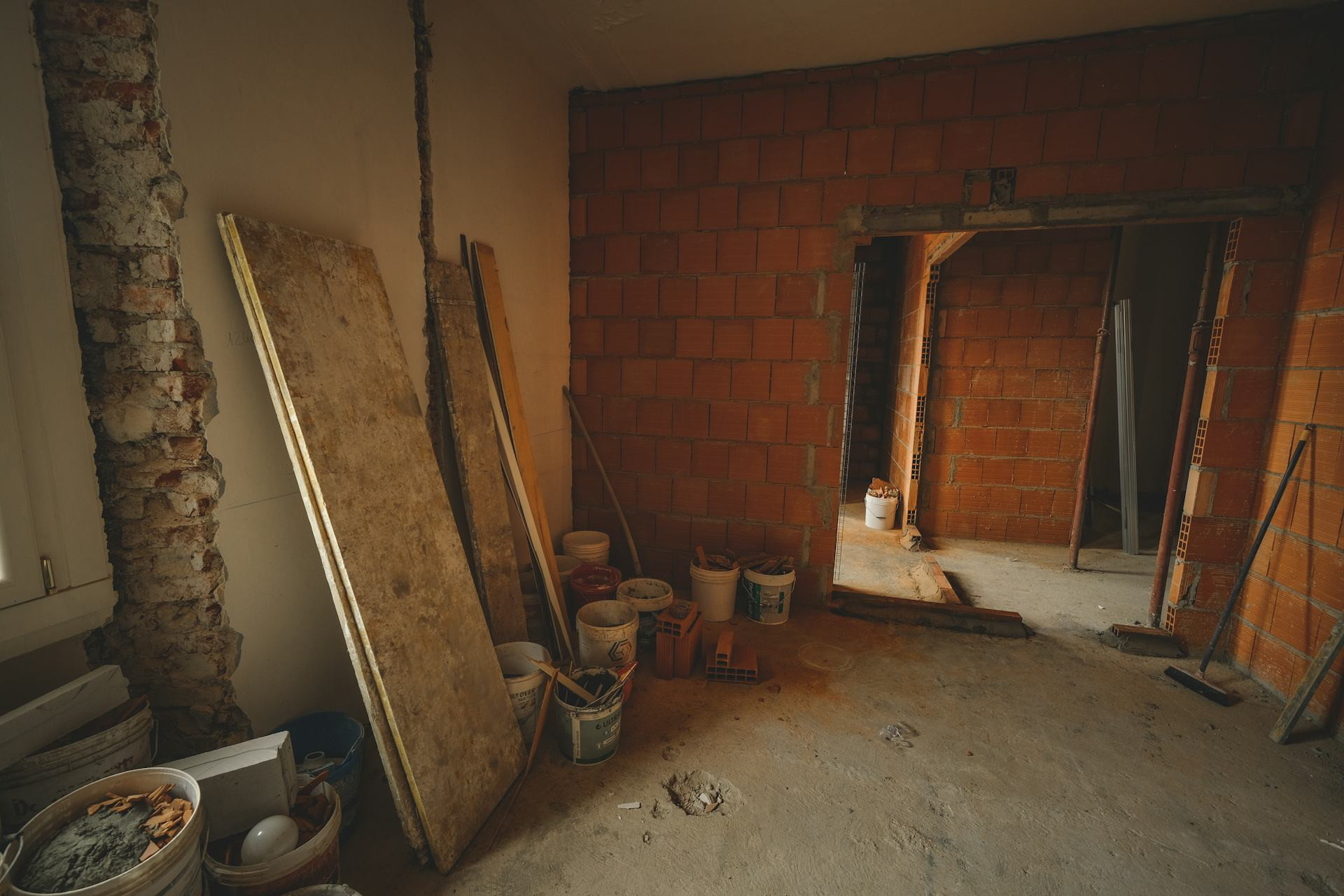
When your roof starts leaking, your windows feel drafty, or your kitchen looks dated, you face a familiar homeowner dilemma: should you renovate or replace? The decision isn’t just about cost—it’s about comfort, sustainability, and your home’s long-term value. Here’s a guide to help you determine which option makes the most sense for your situation.
Start by Assessing the Condition
Before making any decisions, take a close look at your home’s current state. A thorough inspection can prevent costly mistakes down the road.
- Get a professional inspection – A licensed home inspector or contractor can identify hidden damage and estimate how long existing materials will last.
- Consider age and maintenance history – A 25-year-old roof that’s been well maintained might only need repairs, while a neglected one could require full replacement.
- Review your energy bills – Rising heating or cooling costs may signal that your insulation, windows, or HVAC system need attention.
An objective assessment gives you a solid foundation for comparing costs, lifespan, and performance between renovation and replacement.
Renovation: When It Makes Sense to Restore
Renovation is often the best choice when the structure is sound and you want to preserve your home’s original character. This is especially true for older homes built with high-quality materials that can last for decades with proper care.
Pros of renovating:
- Lower upfront cost than full replacement
- Less waste and a smaller environmental footprint
- Preserves your home’s architectural charm
- Typically faster and less disruptive
Cons:
- Potential for unexpected issues once work begins
- May not last as long as a full replacement
- Limited potential for major energy savings
For example, original wood windows can often be restored with new weatherstripping and paint, improving efficiency while maintaining the home’s historic appeal.
Replacement: When Starting Fresh Pays Off
Sometimes, replacement is the smarter investment. If materials are worn out or outdated, replacing them can improve comfort, efficiency, and resale value.
Pros of replacing:
- Longer lifespan and lower maintenance
- Improved energy efficiency and indoor comfort
- Opportunity to upgrade to modern materials and design
- Can significantly boost home value
Cons:
- Higher initial cost
- Greater environmental impact from manufacturing and disposal
- May alter your home’s original look
A new roof or energy-efficient windows can be expensive upfront, but they often pay for themselves over time through lower utility bills and fewer repairs.
Think Long-Term—Financially and Environmentally
When comparing renovation and replacement, look beyond the immediate price tag. Calculate the total cost of ownership over 10–20 years, including maintenance, energy use, and potential tax incentives.
Also consider sustainability. Renovating typically uses fewer resources, but replacing with energy-efficient materials can reduce your carbon footprint in the long run. The goal is to balance durability, efficiency, and environmental impact.
Explore Incentives and Financing Options
In the U.S., several programs can make home improvements more affordable. Check for:
- Federal tax credits for energy-efficient upgrades such as solar panels, heat pumps, or new windows (through the Inflation Reduction Act).
- State and local rebates for insulation, HVAC systems, or renewable energy installations.
- Utility company incentives that offer cash back for energy-saving improvements.
- Home improvement loans or HELOCs that can spread costs over time.
Always verify eligibility and documentation requirements before starting your project.
Læs også:

Make the Decision with Confidence
The right choice depends on your home’s condition, your budget, and your long-term plans. If you plan to stay for many years, a full replacement might be worth the investment. If you’re preparing to sell soon, a targeted renovation could deliver the best return.
Consult with contractors, energy auditors, and financial advisors before deciding. A well-informed approach can save you money, reduce stress, and ensure your home remains comfortable, efficient, and valuable for years to come.
Læs også: