Together at the Table – How a Busy Life Has Changed Our Eating Habits

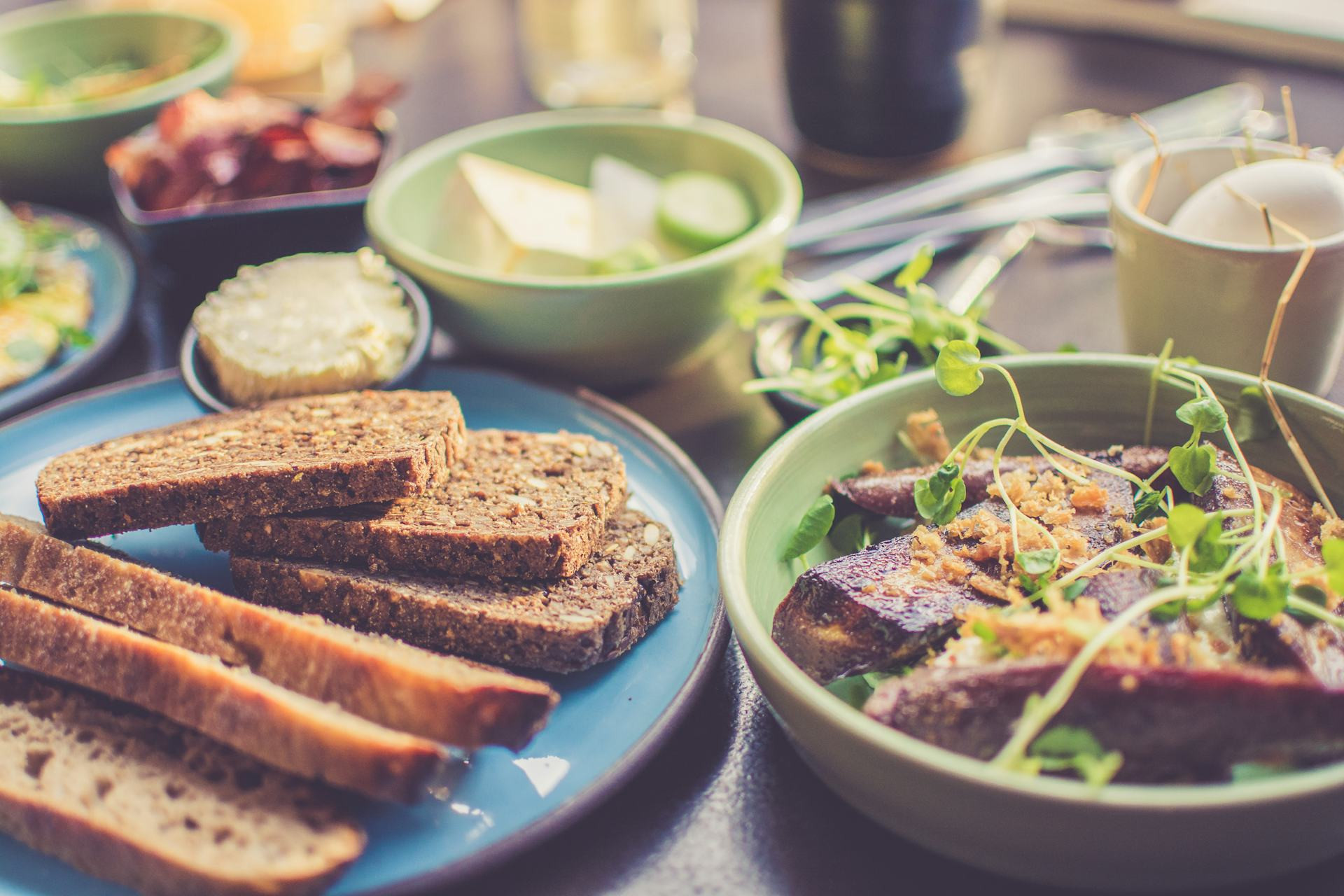
Together at the Table – How a Busy Life Has Changed Our Eating Habits
For generations, the dinner table has been a place where families gather, share stories, and connect over a meal. It’s where the day slows down, and conversation replaces the noise of the outside world. But as American life has grown busier—with longer work hours, packed schedules, and endless commitments—our eating habits have changed dramatically. Meals that once brought people together are now often squeezed between meetings, practices, and commutes. What does that mean for our sense of togetherness—and for our relationship with food?
From Family Dinners to On-the-Go Meals
Not long ago, the family dinner was a daily ritual in many American homes. Parents and kids sat down together, and the evening meal marked a pause in the day. Today, that picture looks very different. Between after-school activities, late work shifts, and the convenience of takeout, many families rarely eat at the same time.
According to surveys from the Pew Research Center, only about half of American families manage to eat dinner together most nights of the week. The rest juggle conflicting schedules, often eating separately or grabbing something quick on the go. The meal has become less of a shared experience and more of a personal pit stop—a necessity rather than a moment of connection.
Convenience Over Cooking
The modern pace of life has also changed what we eat and how we prepare it. Fast food, meal kits, and delivery apps have made it easier than ever to get dinner on the table without spending hours in the kitchen. For many, these options are a lifesaver. But they’ve also shifted our relationship with cooking.
Cooking used to be a skill passed down through generations, a daily act of care and creativity. Now, it’s often seen as a chore or a luxury reserved for weekends. We look for meals that are quick, portable, and efficient. At the same time, a growing number of Americans are rediscovering the joy of home-cooked food—using it as a way to slow down, reconnect, and bring family or friends together, even if only once or twice a week.
The Social Power of Eating Together
Even as we eat more independently, our need for connection hasn’t disappeared. In fact, research shows that families who share meals tend to eat healthier, communicate more, and feel closer to one another. Children who regularly eat with their parents often perform better in school and report higher emotional well-being.
That’s why many families are making an effort to bring back shared meals—maybe not every night, but often enough to make a difference. It could be a Sunday dinner, a weekly pizza night, or a simple breakfast before school. The goal isn’t perfection; it’s presence. Sitting down together, even briefly, can strengthen bonds and create a sense of stability in an otherwise hectic world.
Technology at the Table
Technology has also reshaped the way we experience meals. Some families eat in front of screens, while others use digital tools to plan menus, find recipes, or share food photos online. Social media has turned food into a form of self-expression—something to post, rate, and discuss.
At the same time, new communities are forming around food. From neighborhood potlucks and community gardens to cooking classes and supper clubs, people are finding creative ways to reconnect through shared meals. These gatherings remind us that food isn’t just fuel—it’s a way to build relationships and celebrate culture.
Læs også:


Finding Balance in a Fast-Paced World
Today’s mealtime sits at the crossroads of convenience and tradition. We want to eat well, live sustainably, and spend time together—but we also need to fit it all into our busy lives. The challenge is finding balance.
Maybe the answer isn’t to return to the rigid routines of the past, but to create new rituals that fit modern life: a family brunch on weekends, a no-phones dinner once a week, or a shared cooking night with friends. Small, intentional choices can help us slow down and reconnect—both with each other and with the food we eat.
Together at the Table—Now and in the Future
A meal is more than just nourishment. It’s a moment to share stories, laughter, and care. Even as our lifestyles evolve, the need for connection remains the same. By giving the meal a central place in our daily lives—whether with family, friends, or coworkers—we can preserve something deeply human: the simple joy of being together at the table.
Læs også: