Know Your Food: How Understanding Food Quality Makes Cooking More Enjoyable

Know Your Food: How Understanding Food Quality Makes Cooking More Enjoyable
Cooking isn’t just about following recipes or chasing flavors—it’s about understanding. When you know where your ingredients come from, how they’re produced, and what defines good quality, cooking becomes more rewarding and meaningful. Learning about food quality not only improves your results in the kitchen but also deepens your appreciation for the food itself and the people who bring it to your table.
What Does Food Quality Really Mean?
Food quality covers many aspects: taste, freshness, nutrition, sustainability, and animal welfare. It’s about how food looks, smells, and feels—and how it was grown or raised. A tomato ripened in the sun tastes different from one grown quickly in a greenhouse. A chicken that’s had room to move has a different texture than one raised in crowded conditions.
When you learn to recognize quality, you become better at choosing ingredients that suit your cooking goals—and every bite becomes more satisfying.
Learn to See, Smell, and Taste the Difference
Knowing your food starts with your senses. Take a little extra time when you shop:
- Look at color and texture. Fresh produce should be vibrant and crisp. Fish and meat should have a natural sheen and no discoloration.
- Smell the food. Fresh fish should smell like the ocean, not “fishy.” Fruits and vegetables should smell like themselves—a ripe peach or tomato has a sweet, fragrant aroma.
- Taste mindfully. Sampling ingredients before cooking helps you understand how they change with heat and seasoning. It makes it easier to balance flavors as you go.
The more you practice, the better you’ll get at judging quality—and the more enjoyable cooking becomes.
Læs også:

Know Your Producers and the Journey of Your Ingredients
Behind every ingredient are people who grow, harvest, or prepare it. Learning about their work can give you a new respect for what’s on your plate. Visit a local farmers market, talk to your butcher or fishmonger, and ask where their products come from. Many producers love to share their knowledge—and often offer tips on how to make the most of their goods.
When you know your eggs come from pasture-raised hens or your vegetables are grown without synthetic pesticides, your food doesn’t just taste better—it feels better to eat.
Seasonality and Origin: Keys to Better Flavor
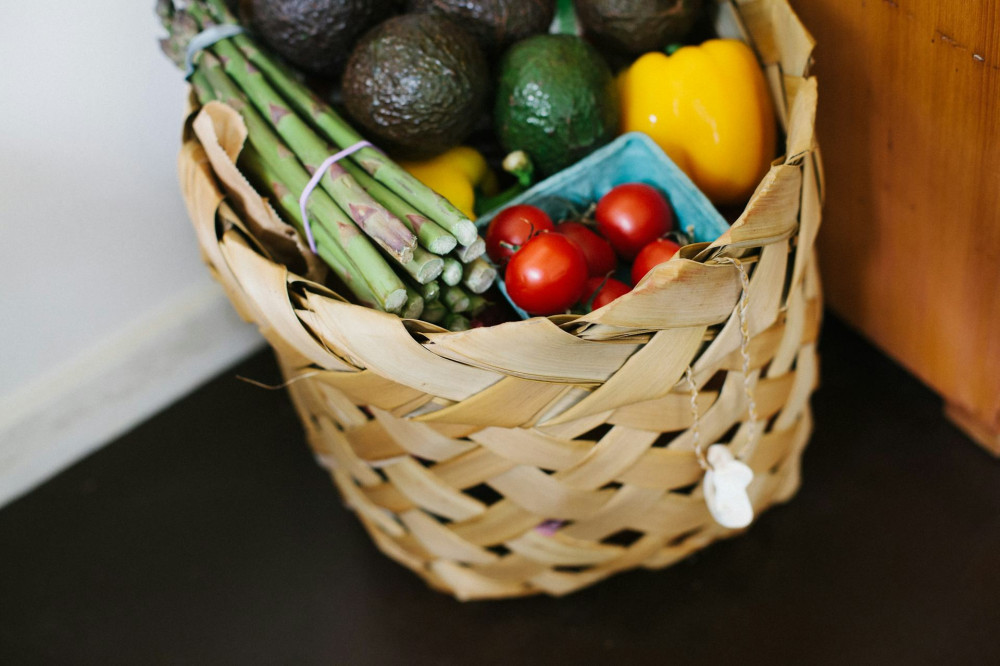
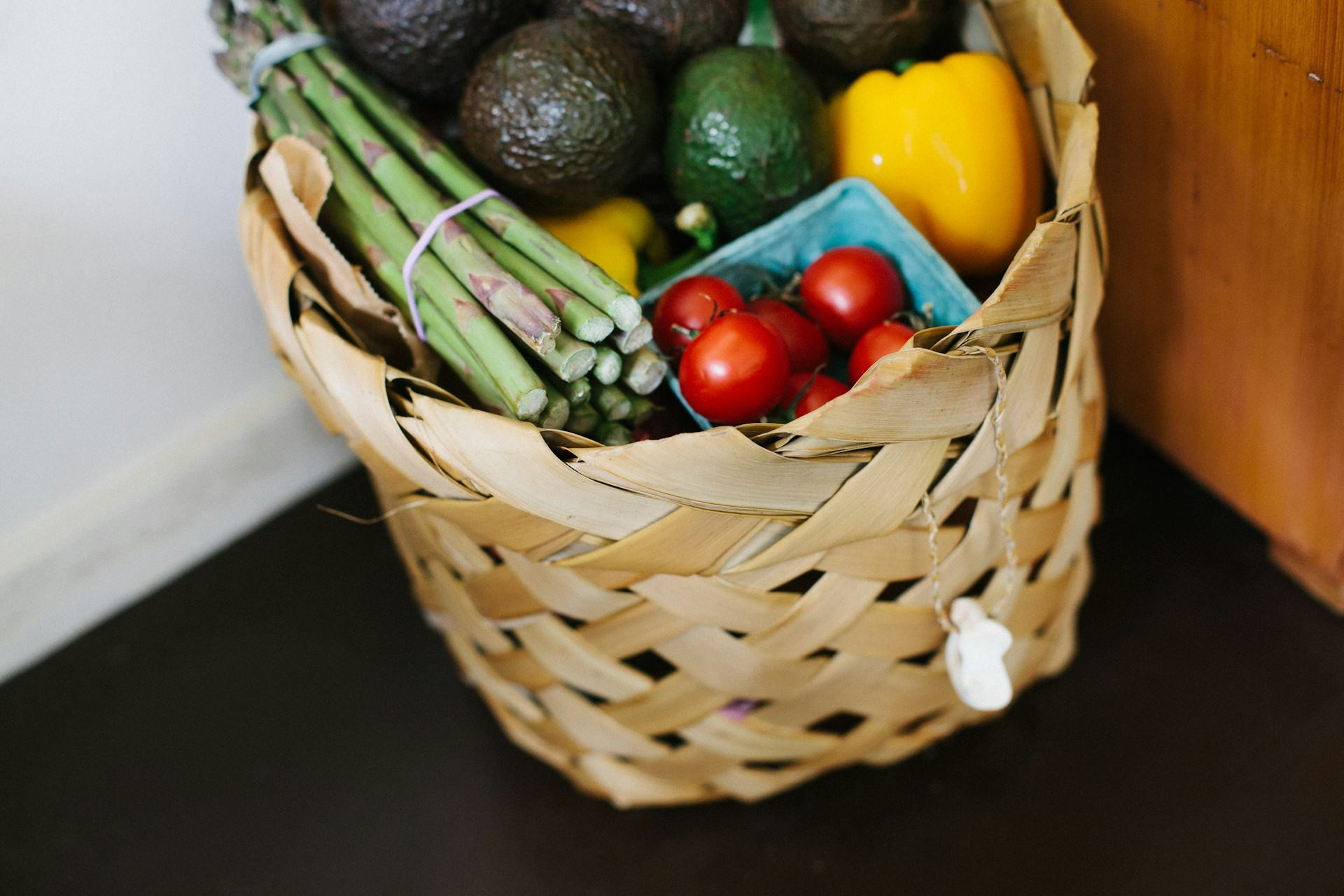
One of the easiest ways to improve food quality is to cook with the seasons. Seasonal ingredients have grown under the best conditions and require less transportation, meaning fresher flavor and a smaller environmental footprint.
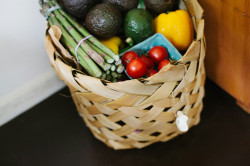
- Spring: Asparagus, peas, and tender greens.
- Summer: Tomatoes, berries, and sweet corn.
- Fall: Apples, squash, and mushrooms.
- Winter: Root vegetables, citrus, and hearty greens like kale.
Planning your meals around what’s in season brings natural variety to your diet and rhythm to your cooking.
Quality in the Kitchen: Getting the Best from Your Ingredients
Even the finest ingredients can lose their quality if handled poorly. Storage, preparation, and timing all matter.
- Store properly: Some fruits and vegetables prefer room temperature, while others need refrigeration.
- Cook with care: Use moderate heat to preserve flavor and moisture.
- Taste as you go: Adjust salt, acid, and sweetness throughout the process—not just at the end.
When you understand how ingredients respond to heat, cold, and seasoning, you become more intuitive in the kitchen—and that’s when cooking truly becomes fun.
Knowledge as a Spice
Knowing your food isn’t about perfection—it’s about curiosity. The more you learn, the more you’ll want to experiment. You might discover you prefer a certain type of flour for baking, or that you can taste the difference between olive oils from different regions. These small discoveries make cooking personal—and that’s what makes it joyful.
Joy Through Understanding
When you understand the story behind your ingredients, cooking becomes more than a daily task. It becomes a way to connect—with nature, with people, and with yourself. Knowledge of food quality doesn’t just make you a better cook—it makes you a more mindful eater and a happier food lover.
Læs også: