Classic Wine and Food Pairings – Traditions That Still Delight

Classic Wine and Food Pairings – Traditions That Still Delight
Few things elevate a meal quite like the right glass of wine. The art of pairing wine and food has been part of culinary tradition for centuries—from the vineyards of France to the cellars of California. Even in today’s world of craft cocktails, natural wines, and global fusion cuisine, there’s something timeless about the classic pairings. They endure because they’re built on balance, flavor, and experience—and because they simply taste wonderful.
Why Wine and Food Belong Together
Wine and food are about harmony. A great pairing enhances both, allowing the flavors to complement rather than compete. Acidity, sweetness, fat, and salt interact in a delicate balance where no single element should overpower the other.
The basic rule is simple: lighter dishes call for lighter wines, while richer, more robust foods need wines with body and structure. Within that framework, though, lies a world of nuance—the reason wine pairing remains such a fascinating craft.
The Great Classics – and Why They Work
Some combinations have stood the test of time because they work beautifully, every time. Here are a few beloved examples:
- Cabernet Sauvignon and steak – The tannins in Cabernet cut through the richness of a well-marbled steak, while the wine’s dark fruit complements the meat’s savory depth.
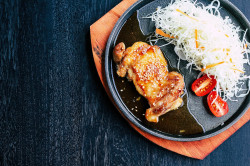
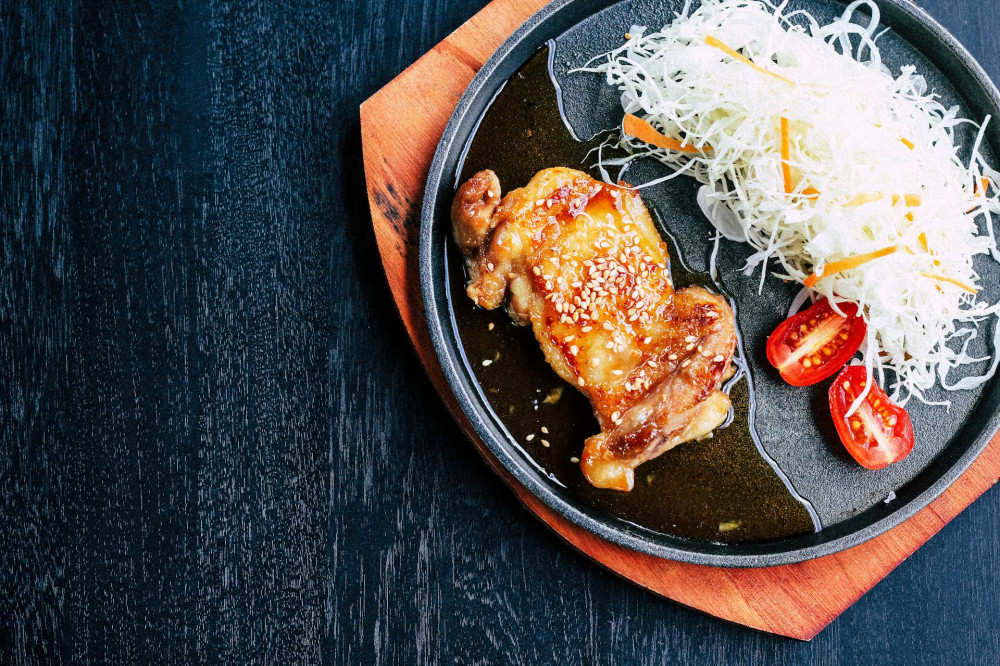
- Chardonnay and roast chicken – A buttery, oak-aged Chardonnay mirrors the texture and flavor of roasted poultry, creating a smooth, comforting match.
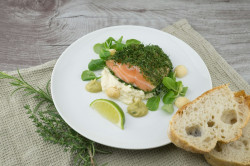
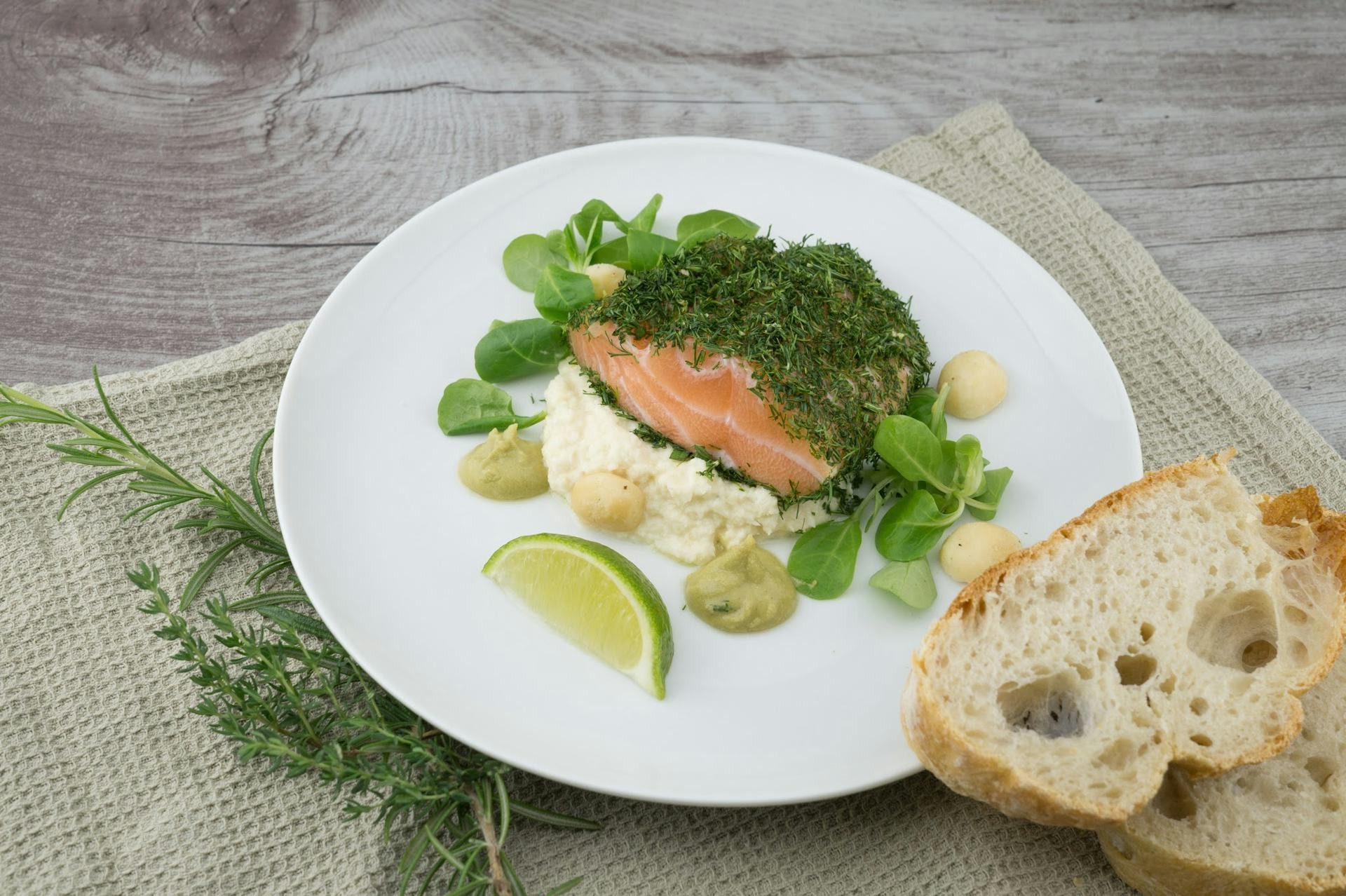
- Pinot Noir and salmon – The wine’s bright acidity and red fruit notes balance the richness of the fish without overwhelming it.
- Sauvignon Blanc and goat cheese – The crisp, citrusy freshness of Sauvignon Blanc highlights the tangy creaminess of the cheese.
- Port and blue cheese – The sweet, fortified wine contrasts beautifully with the salt and sharpness of the cheese, creating a luxurious finish.
These pairings aren’t accidents—they’re the result of generations of tasting, refining, and understanding how local wines and foods evolved together.
Regional Traditions – What Grows Together Goes Together
A reliable starting point for any pairing is geography. In many wine regions, the local cuisine naturally complements the local wine.
In France, Loire Valley wines pair effortlessly with goat cheese, Rhône reds with lamb, and Bordeaux with beef. In Italy, regional wines and dishes are inseparable—think Chianti with tomato-based pasta or Barolo with braised meats. And in the United States, the same principle applies: a crisp Oregon Pinot Gris with Pacific Northwest seafood, or a bold Napa Cabernet with a California barbecue.
This “what grows together goes together” philosophy remains one of the best guides for finding harmony between food and wine.
Læs også:

Modern Takes on Classic Pairings
While tradition still holds strong, today’s chefs and wine lovers aren’t afraid to experiment. Natural wines, orange wines, and lesser-known grape varieties are changing the rules. A chilled red might accompany grilled fish, or sparkling wine might carry an entire meal from appetizer to dessert.
The key isn’t to follow rules rigidly but to understand the principles behind them. Once you grasp the balance of acidity, sweetness, and texture, you can play with contrasts and create new, exciting experiences.
Finding Your Own Favorite Pairings
You don’t need to be a sommelier to find the perfect match—just curious and open-minded. Start by thinking about what dominates your dish: is it rich, salty, spicy, or tangy? Then choose a wine that either complements or contrasts those qualities.
A few simple guidelines:
- Rich, fatty foods need wines with bright acidity.
- Spicy dishes pair well with fruity, low-tannin wines.
- Sweet dishes call for wines that are even sweeter.
- Salt enhances fruitiness and softens bitterness in wine.
Over time, you’ll discover what you personally enjoy—and that’s what truly matters.
Traditions That Still Delight
Even as the wine world evolves and new trends emerge, classic pairings remain at the heart of good dining. They remind us that taste is culture, and that some combinations simply stand the test of time.
Whether you’re savoring a glass of Riesling with seafood, a Cabernet with steak, or a dessert wine with cheese, you’re part of a tradition that connects generations of wine and food lovers—and continues to delight today.
Læs også: