Fit and Body Shapes: Why Clothes Look Different on Us


Fit and Body Shapes: Why Clothes Look Different on Us
Have you ever tried on a piece of clothing that looked amazing on the hanger—but not quite right on you? Or noticed how a friend looks stunning in an outfit that just doesn’t work the same way for you? It’s rarely about the body itself. The difference often comes down to fit, proportions, and how the garment is constructed. Even small variations in body shape can change how clothing drapes and moves. Let’s explore why fit matters so much and how you can find clothes that work with your body, not against it.
What Does “Fit” Really Mean?
Fit is about how clothing sits on the body—not just the size on the tag, but the cut, length, lines, and balance. Two people can wear the same size, yet the same shirt might pull across one person’s shoulders and hang loosely on another. That’s because fit depends on proportions, not just measurements.
Designers use different fit categories—slim fit, regular fit, relaxed fit, and so on—to describe how close a garment sits to the body. But even within those categories, brands vary widely. American brands, for example, often design with different body measurements in mind than European or Asian labels. That’s why a “medium” in one store might feel completely different in another.
Body Shapes and Proportions
Fashion stylists often refer to five classic body shapes: pear, apple, hourglass, rectangle, and inverted triangle. These aren’t rigid categories, but they can help you understand how clothing interacts with your proportions.
- Pear shape: Hips are wider than shoulders. Outfits that highlight the waist and add structure to the upper body create balance.
- Apple shape: Weight is carried around the midsection, while arms and legs are often slimmer. Flowy tops and V-necks can elongate the torso.
- Hourglass shape: Shoulders and hips are about the same width, with a defined waist. Fitted styles that follow the body’s curves enhance this natural symmetry.
- Rectangle shape: Shoulders, waist, and hips are similar in width. Layering and structured pieces can add shape and definition.
- Inverted triangle shape: Shoulders are broader than hips. Skirts or pants with volume or detailing can help create visual balance.
The goal isn’t to fit into a label—it’s to understand your proportions and how to dress in a way that feels harmonious and comfortable.
Læs også:


Fabric and Movement
Fit isn’t just about cut—it’s also about fabric. A heavy denim jacket will hang differently than a soft cotton one. Stretch fabrics mold to the body, while stiffer materials hold their shape. That’s why two dresses with the same pattern can look completely different depending on the fabric used.
When trying on clothes, don’t just stand still. Move around—sit, lift your arms, take a few steps. Something that looks great in the mirror might feel restrictive once you start moving. The best fit is one that looks good and feels natural in motion.
Sizes Are Guidelines, Not Rules
If you’ve ever worn a size 8 in one brand and a size 12 in another, you’re not alone. Clothing sizes aren’t standardized in the U.S.—they’re more of a suggestion than a rule. Each brand uses its own measurements and fit models, which means a “medium” can vary by several inches.
Instead of focusing on the number, focus on measurements. Know your bust, waist, hip, and inseam measurements, and use them as your guide. Many online retailers now include detailed size charts and even customer reviews that mention fit, which can help you make better choices.
The Tailor’s Secret: Small Adjustments, Big Difference
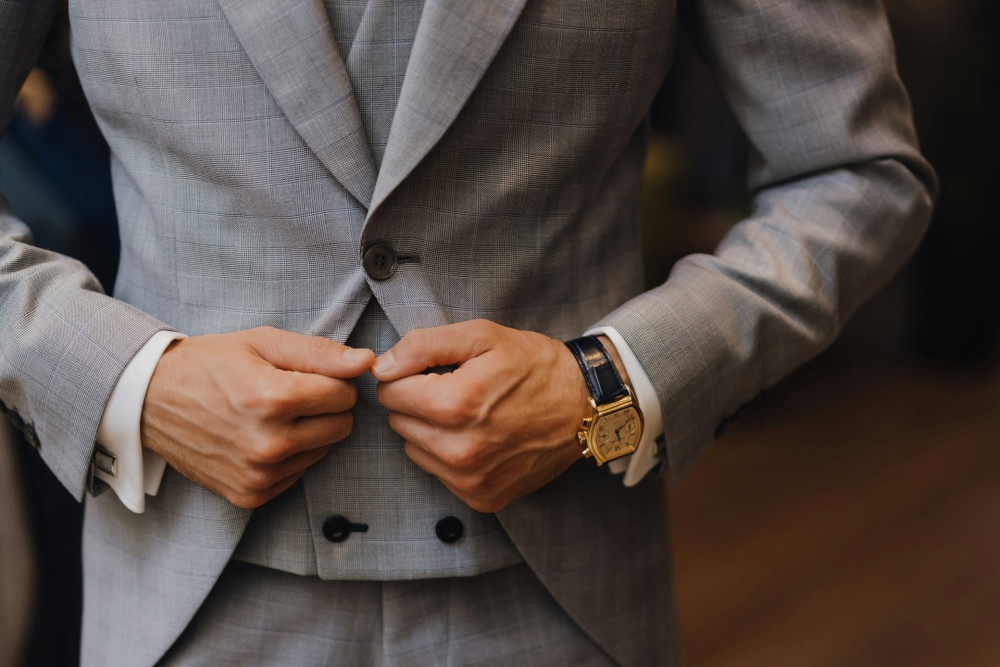
Even the best off-the-rack clothing can benefit from a few tweaks. A hem adjustment, a nip at the waist, or a shortened sleeve can transform a piece from “almost right” to “perfect.” Professional stylists and tailors know that great fit is rarely found—it’s created.
If you have a favorite piece that fits beautifully, use it as a reference when shopping. Compare the cut, length, and seam placement to new items. Over time, you’ll develop an eye for what works best for your body.
Clothes Should Fit You—Not the Other Way Around
In a culture where fashion images often highlight one ideal body type, it’s empowering to remember that clothes are meant to fit you, not the other way around. The best style comes from understanding your body, appreciating how fit works, and choosing pieces that make you feel confident and comfortable.
Finding the right fit isn’t about hiding anything—it’s about celebrating what makes you unique. When your clothes fit well, you don’t just look better—you move with ease, feel more confident, and show up as your authentic self.
Læs også: