Develop Your Personal Style Step by Step with Small Changes to Your Wardrobe


Develop Your Personal Style Step by Step with Small Changes to Your Wardrobe
Finding your personal style isn’t about replacing your entire wardrobe or chasing every new trend. It’s about understanding yourself and using clothing as a way to express who you are. With small, intentional changes, you can gradually build a style that feels authentic and easy to live with. Here’s a step-by-step guide to help you develop your personal style without starting from scratch.
Step 1: Get to Know Your Current Style
Before you make any changes, take a close look at what you already own. Go through your closet and notice which pieces you wear most often—and why. Is it the color, the fit, or the way they make you feel? Just as important, pay attention to the clothes you rarely wear. Patterns in your choices can reveal a lot about your preferences and lifestyle.
A helpful tip is to take photos of your favorite outfits. Seeing them together can make it easier to identify what defines your style—and what might be missing.
Step 2: Find Inspiration—But Choose Wisely
Inspiration is everywhere: on social media, in magazines, in movies, and on the street. Instead of copying someone else’s look, use these sources to discover what you’re drawn to. Create a mood board—digital or physical—with images, colors, and textures that speak to you.
Once you start to see patterns in what you’ve collected, you can define your direction. Maybe you lean toward classic minimalism, boho chic, sporty casual, or something entirely your own. The key is that it feels like you, not like a role you’re playing.
Step 3: Start with Small Changes
You don’t need to buy a whole new wardrobe to shift your style. Small adjustments can make a big difference. Try:
- Mixing and matching in new ways. A blazer you usually wear to work can look fresh with jeans and sneakers.
- Adding one statement piece. A bold bag, a patterned scarf, or a pair of standout shoes can transform a simple outfit.
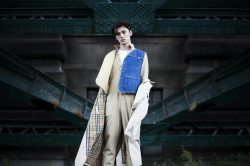
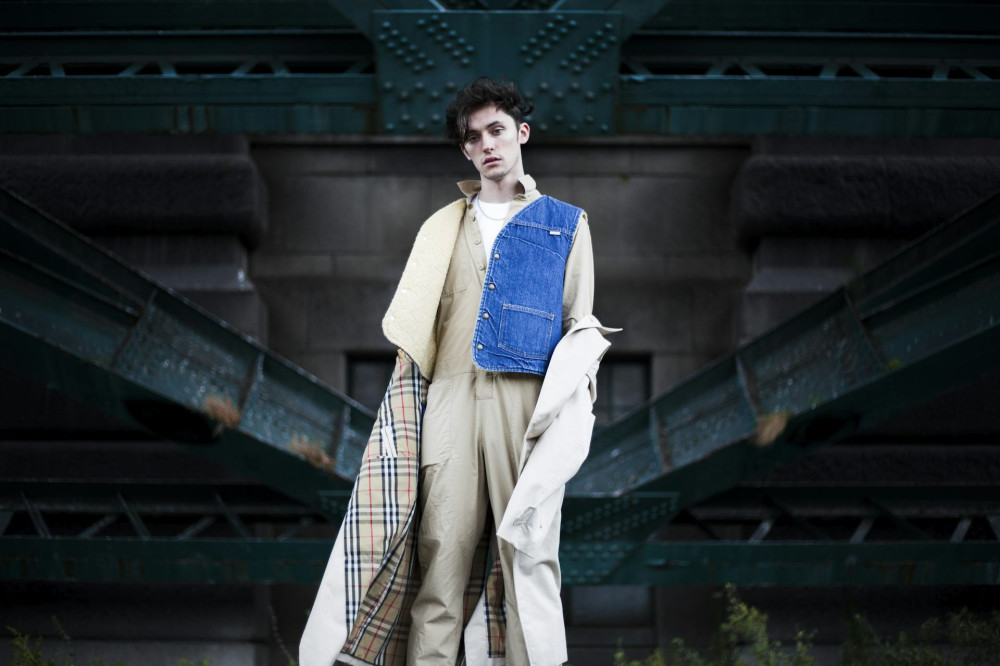
- Experimenting with layers. A denim jacket over a dress or a vest over a T-shirt can change the entire vibe.
Small changes let you test new ideas without committing too much—and help you learn what truly works for you.
Step 4: Build a Wardrobe That Fits Your Life
Your personal style should look good and work for your everyday life. Think about how you spend your time: What’s your work environment like? How do you dress for weekends or special occasions? A wardrobe that fits your lifestyle makes getting dressed easier and more confident.
Make a list of the situations you dress for most—work, casual days, social events, travel—and ensure you have pieces that suit each one. This approach helps you avoid impulse buys and build a wardrobe that feels cohesive and practical.
Step 5: Choose Colors and Fabrics That Flatter You
Colors and materials have a huge impact on how you feel in your clothes. Notice which shades make you look energized and which ones wash you out. Experiment with different textures—cotton, wool, silk, denim—to see what feels best on your skin and fits your lifestyle.
Once you know your go-to colors and fabrics, it becomes much easier to mix and match pieces that complement each other and feel right for you.
Læs også:

Step 6: Make Your Style Sustainable
Developing your style is also about being mindful. Instead of constantly buying new items, consider:
- Investing in quality over quantity. Fewer, better-made pieces last longer and look more polished.
- Shopping secondhand or vintage. Thrift stores, consignment shops, and online resale platforms can be treasure troves for unique finds.
- Caring for what you own. Learn to mend, wash gently, and store your clothes properly to extend their life.
A sustainable wardrobe isn’t just better for the planet—it also helps you become more intentional and confident in your choices.
Step 7: Make It Your Own
Once you’ve found your direction, personalize it. Maybe it’s through jewelry, a signature color, a favorite pair of boots, or a unique way you roll your sleeves. These small details make your style unmistakably yours.
Remember, style isn’t static—it evolves as you do. The most important thing is that you feel comfortable and confident in what you wear, because that’s where true style begins.
Læs også: