Colors in Balance: Create a Space That Both Inspires and Calms

Colors in Balance: Create a Space That Both Inspires and Calms
Colors influence us more than we often realize. They can lift our mood, bring a sense of calm, spark creativity, or evoke memories. When decorating your home, color isn’t just about style—it’s about how a space makes you feel. A room in color balance can both energize and soothe, and achieving that harmony doesn’t require a full remodel. Here’s how to use color intentionally to create a space that feels both inspiring and peaceful.
Understand the Power of Color
Every color carries its own psychological effect. There’s no single “right” color for a room, but understanding how colors affect mood can help you design a space that supports your lifestyle.
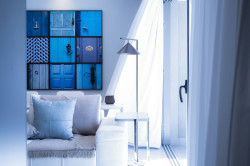
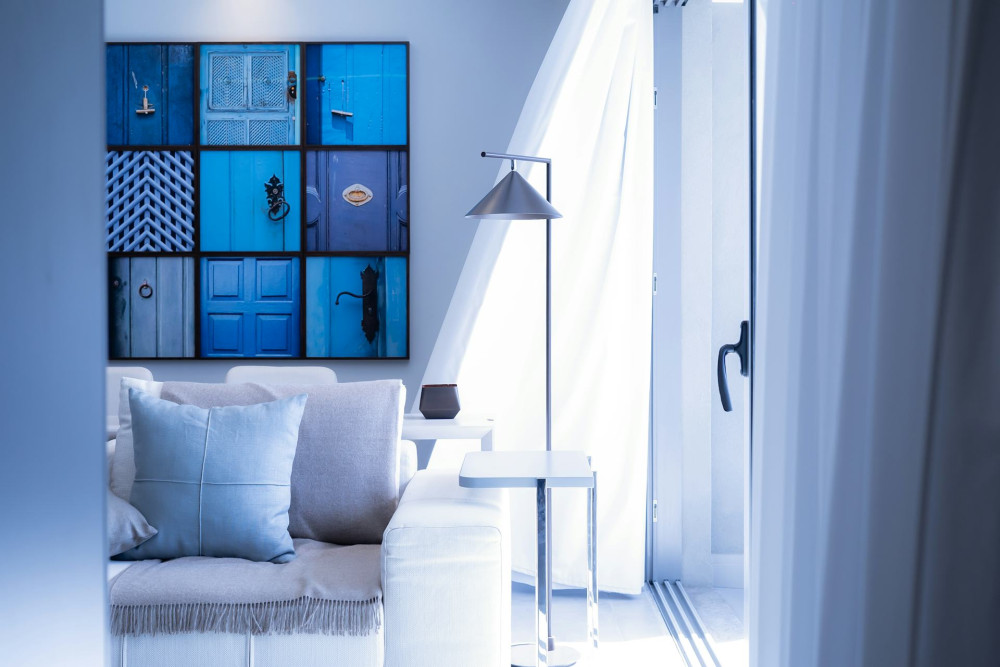
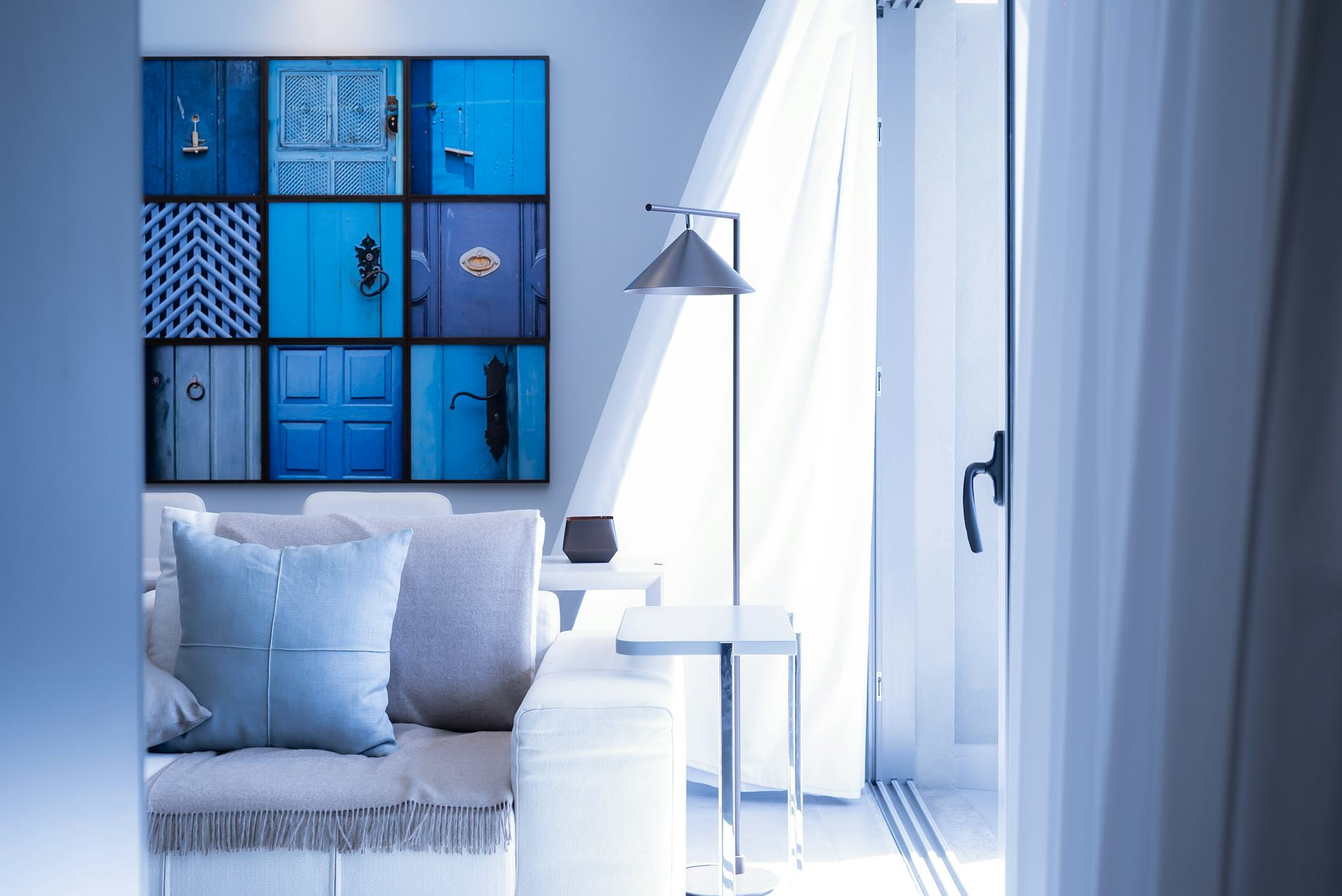
- Blue evokes calm, clarity, and focus. It’s ideal for bedrooms or home offices where you want to relax or concentrate.
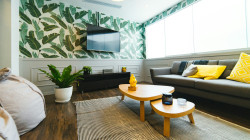
- Green symbolizes balance, renewal, and connection to nature. It’s versatile and works beautifully in living rooms, kitchens, or anywhere you want a sense of harmony.
- Yellow radiates warmth and optimism. Use it in moderation to brighten entryways, kitchens, or creative spaces.
- Red is bold and energizing. A little goes a long way—try it in accents or artwork to add vibrancy without overwhelming the room.
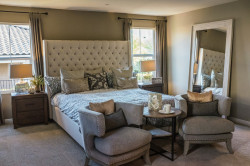
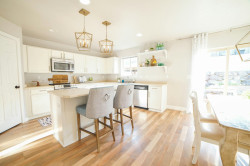
- Neutrals like beige, gray, and white create a calm foundation and allow bolder colors or textures to stand out.
Once you understand how colors influence mood, you can build a palette that fits both the function of the room and your personal taste.
Balance Warm and Cool Tones
A harmonious space often comes down to the balance between warm and cool hues. Warm colors—reds, oranges, and yellows—create coziness and intimacy, while cool colors—blues, greens, and purples—bring freshness and openness.
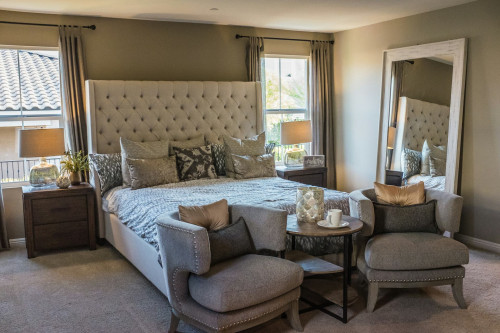
If your room gets plenty of natural light, cool tones can enhance the airy feel. In darker spaces, warm tones can add comfort and depth. A good rule of thumb is to let one temperature dominate and use the other as an accent for contrast and balance.
Læs også:
Look to Nature for Inspiration
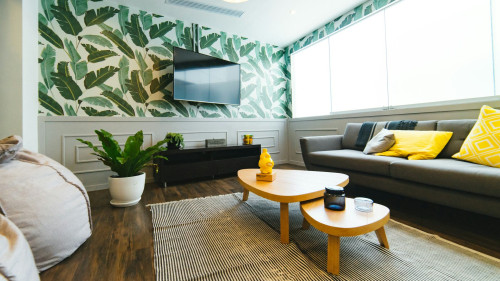
Nature offers endless color inspiration. Think of the greens of a forest, the sandy tones of a beach, or the blues of a clear sky. These combinations feel natural to the eye because we associate them with places of relaxation.
Try pairing soft green walls with wood furniture and earthy textiles for a grounded, organic atmosphere. Or combine light blues and sandy neutrals for a breezy, coastal-inspired look that feels timeless and serene.
Layer Colors for Depth
A room becomes more dynamic when colors are layered. This means working with multiple shades of the same color or mixing different materials and textures.
Start with a base color on the walls, then add variation through furniture, pillows, rugs, and art. A navy wall, for example, can come alive with accents in teal and sky blue, while a neutral backdrop can gain warmth from terracotta or caramel tones. Repeating colors in small details—like lamps, vases, or artwork—creates visual rhythm and a sense of cohesion.
Light and Color Work Together
Lighting dramatically affects how colors appear. Natural light changes throughout the day, and artificial light can make colors seem warmer or cooler. Always test paint samples in your space before committing to a full wall.
Rooms with north-facing windows often benefit from warmer tones to offset cool light, while south-facing rooms can handle cooler or muted shades. Layer your lighting—combine overhead fixtures, floor lamps, and task lighting—so you can adjust the mood as needed.
Make It Personal
Color theory offers helpful guidelines, but the most important thing is that your home feels like you. Choose colors that resonate with your personality and that you’ll enjoy living with every day. Maybe that means a soft, neutral palette with subtle pops of color—or a bold mix of contrasting hues that energize you.
If you’re unsure where to start, begin small: paint one accent wall, swap out throw pillows, or hang a colorful piece of art. Notice how the change affects the atmosphere before making bigger decisions.
A Balanced Space, a Peaceful Mind
When colors work together, they create a sense of unity and flow. The goal isn’t to follow trends but to find the combination that brings you both comfort and inspiration. A home in color balance can be your sanctuary—a place to recharge, reflect, and create.
Læs også: