Train Together – The Power of Community Against Performance Pressure

Train Together – The Power of Community Against Performance Pressure
In a culture where fitness is often measured in numbers, progress photos, and personal bests, it’s easy to forget why we move in the first place. For many, exercise isn’t just about getting faster or stronger—it’s about feeling good, both physically and mentally. Training with others can be a powerful antidote to the growing pressure to perform that affects so many aspects of American life.
When Exercise Becomes a Competition With Yourself
Fitness trackers, calorie counters, and social media challenges can be great tools for motivation, but they can also turn movement into a constant competition. When every run, lift, or yoga session is tracked and compared, the joy of simply moving can fade. Instead of listening to our bodies, we start chasing numbers—and that can lead to stress, burnout, or even injury.
The pressure to “do better” every time can make exercise feel like another task to conquer rather than a source of balance. That’s where community comes in.
Community as a Source of Strength
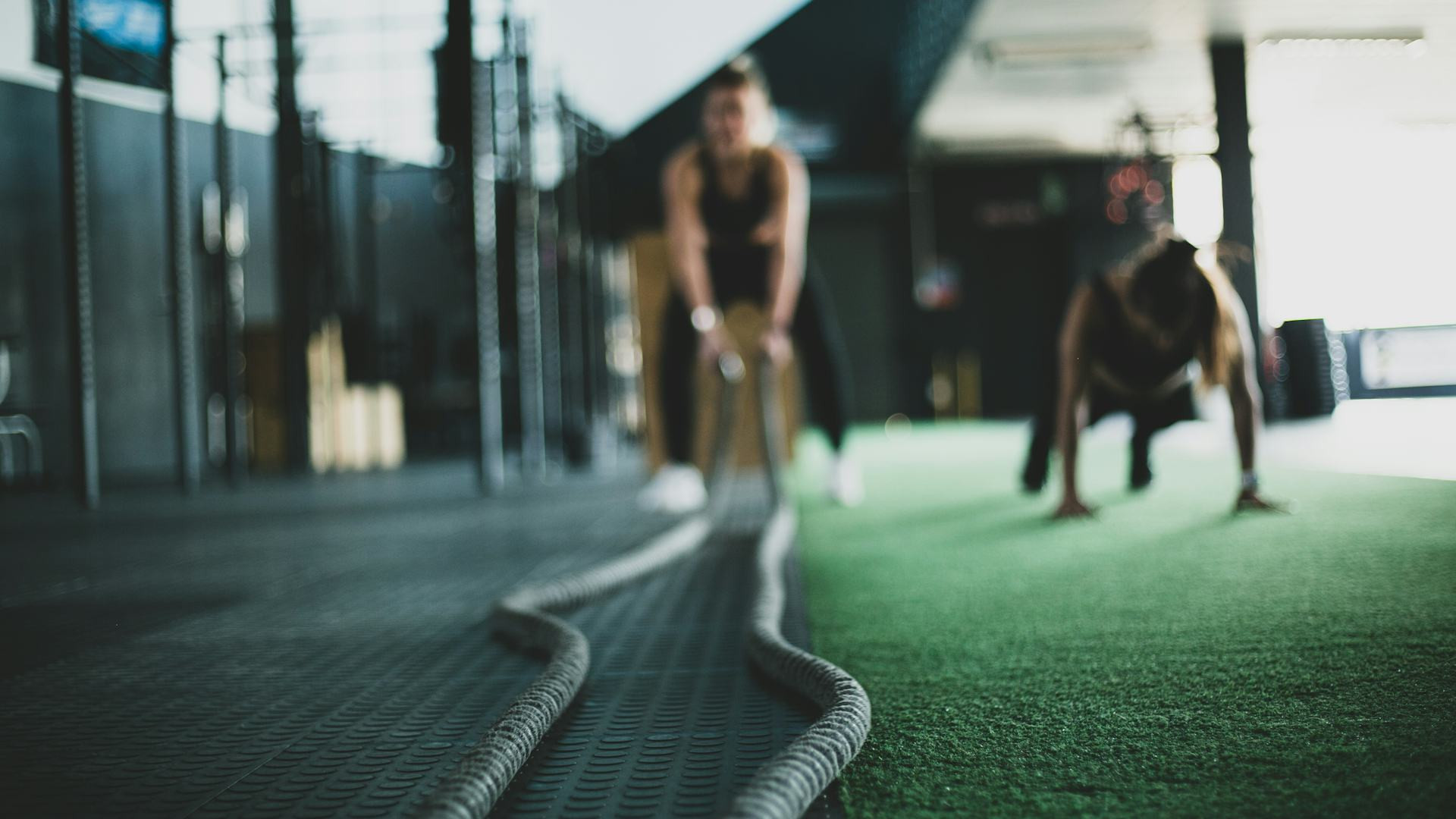
When you train with others, the focus shifts from performance to participation. It’s no longer just about beating your own record—it’s about being part of something bigger. A group workout, a running club, or a local rec league can provide structure, motivation, and a sense of belonging.
In a supportive environment, you’re reminded that progress doesn’t have to be perfect to be meaningful. The shared laughter, encouragement, and accountability make the experience richer and more sustainable.
The Social Effect on Motivation
Research shows that people who exercise with others are more likely to stick with their routines. The social commitment—showing up because your friends are counting on you—can be a powerful motivator. And the positive energy that comes from moving together can make even tough workouts feel lighter.
Training in a group also helps normalize the ups and downs of fitness. Everyone has their own challenges: one person struggles with time, another with injury, another with motivation. Seeing that you’re not alone in those struggles can make it easier to stay kind to yourself.
Exercise as a Space of Freedom, Not Obligation
When exercise becomes a social activity, it transforms from a duty into a break from daily demands. It can be a walk with a neighbor, a weekend hike, or a dance class after work. The form doesn’t matter as much as the feeling.
Shared movement creates space for conversation, laughter, and connection—things that often disappear when we focus only on results. That sense of joy makes exercise more sustainable in the long run because it’s tied to community and well-being, not pressure or guilt.
Læs også:



Finding Your Fitness Community
There are countless ways to train together, no matter your age, fitness level, or interests. Here are a few ideas to get started:
- Join a local club or class – from running and cycling to yoga or pickleball, there’s something for everyone.
- Start a small group with friends or coworkers – set regular times to meet so it becomes a habit.
- Look for community-based programs – many cities and parks departments offer free outdoor workouts or walking groups.
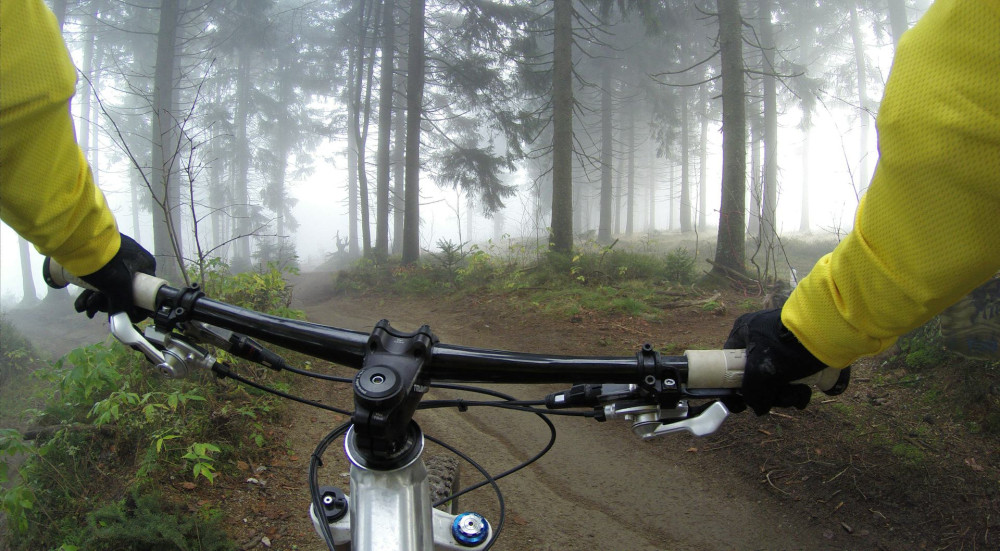
- Use nature as your gym – meet for hikes, beach walks, or bike rides.
The key is to find a space where you feel welcome and supported—not one where you have to prove yourself to fit in.
The Strength of Community in an Individualized Culture
In a society that often celebrates individual achievement, it might seem simple to talk about community. But that’s exactly why it matters. Training together reminds us that we don’t have to do everything alone. We can share experiences, lift each other up, and find joy in the process—even when progress isn’t linear.
Community makes us stronger, not just physically but mentally. It helps us remember that movement is about health, happiness, and connection—not perfection.
Læs også: