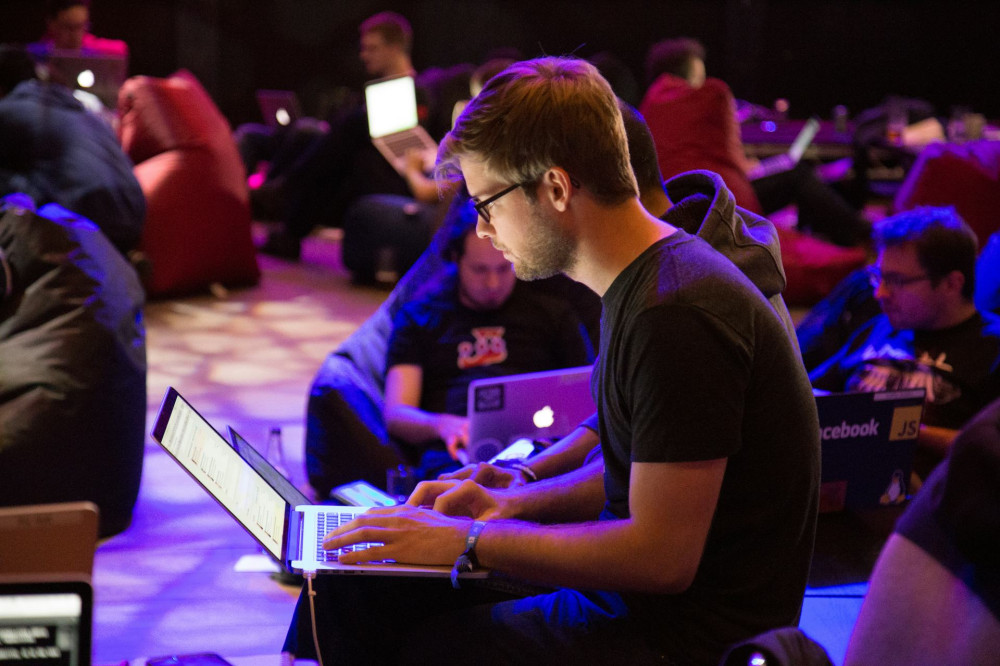
Remote Collaboration: Digital Tools That Drive Innovation


Remote Collaboration: Digital Tools That Drive Innovation
Remote work has become a defining feature of modern business life. But how can teams keep their creative spark alive when colleagues are spread across cities, states—or even continents? The answer lies in digital tools that not only make communication possible but also foster creativity and innovation. Let’s explore how technology can bring people closer together, even when they’re miles apart.
From Necessity to Opportunity
When the pandemic forced many U.S. companies to shift to remote work, the initial focus was on logistics: meetings, file sharing, and deadlines. But as experience grew, it became clear that remote collaboration could also open new doors. Teams could be built across time zones, and employees gained flexibility that improved both productivity and work-life balance.
Today, hybrid work is no longer a temporary fix—it’s a strategic advantage. The key is choosing the right tools and using them wisely.
Communication That Feels Personal
Effective communication is the foundation of any successful collaboration. Video conferencing platforms like Zoom, Microsoft Teams, and Google Meet have made it possible to meet face-to-face, even from afar. But it’s not just about seeing each other on screen—it’s about creating connection.
- Use video intentionally to strengthen relationships and make conversations more personal.
- Establish regular check-ins, such as short morning stand-ups, to keep everyone aligned.
- Leverage chat channels for quick questions and idea sharing—these can replace the spontaneous hallway conversations that spark creativity.
When communication flows naturally, ideas do too—and that’s where innovation begins.
Collaboration in the Cloud
Most organizations now rely on cloud-based platforms where documents, presentations, and projects can be edited in real time. Google Workspace, Microsoft 365, and Notion are among the most popular solutions.
The advantage is clear: everyone works on the latest version, can comment and suggest edits, and can track progress directly in the document. This makes teamwork more dynamic and transparent.
For creative teams, tools like Miro and FigJam serve as digital whiteboards where ideas can be sketched, moved, and developed collaboratively—almost as if everyone were in the same room.
Innovation Needs Structure
While innovation often seems spontaneous, it thrives best within a framework that helps ideas grow into action. Project management tools like Trello, Asana, and Monday.com can make a big difference.
They provide visibility into tasks, deadlines, and responsibilities, ensuring everyone knows where the project stands. At the same time, they integrate brainstorming, feedback, and follow-up in one place. This balance of creativity and structure helps teams turn ideas into results.
Læs også:




The Social Glue of Digital Work
One of the biggest challenges of remote collaboration is maintaining social connection. Without in-person interaction, relationships can easily become more formal. That’s why it’s important to create digital spaces for informal moments too.
Many teams use Slack channels for everything from Friday memes to sharing playlists or photos. Others organize virtual coffee breaks or quick online trivia sessions. These small gestures build trust—and trust is the foundation of innovation.
The Future Is Hybrid
The future of work in the U.S. is hybrid, blending physical and digital collaboration. This shift demands new approaches to leadership, culture, and technology. Companies that combine flexibility with shared purpose will be best positioned to succeed.
It’s not about choosing between the office and home—it’s about creating a culture where ideas can flow freely, no matter where people are. Digital tools are just the instruments; it’s people who make innovation happen.
Læs også: