Green Farewell: Sustainable Choices in Flowers, Fabrics, and Decorations

Green Farewell: Sustainable Choices in Flowers, Fabrics, and Decorations
When we say goodbye to someone we love, we want the ceremony to reflect care, respect, and meaning. For many Americans, that now includes care for the planet. As sustainability becomes a guiding value in daily life, more families are choosing eco-friendly options when planning funerals and memorials. A green farewell doesn’t mean a less beautiful one—it’s about creating a heartfelt tribute that honors both the person and the earth.
Here are some ways to make thoughtful, sustainable choices in flowers, fabrics, and decorations—without losing the personal touch that makes a farewell special.
Thoughtful Flowers
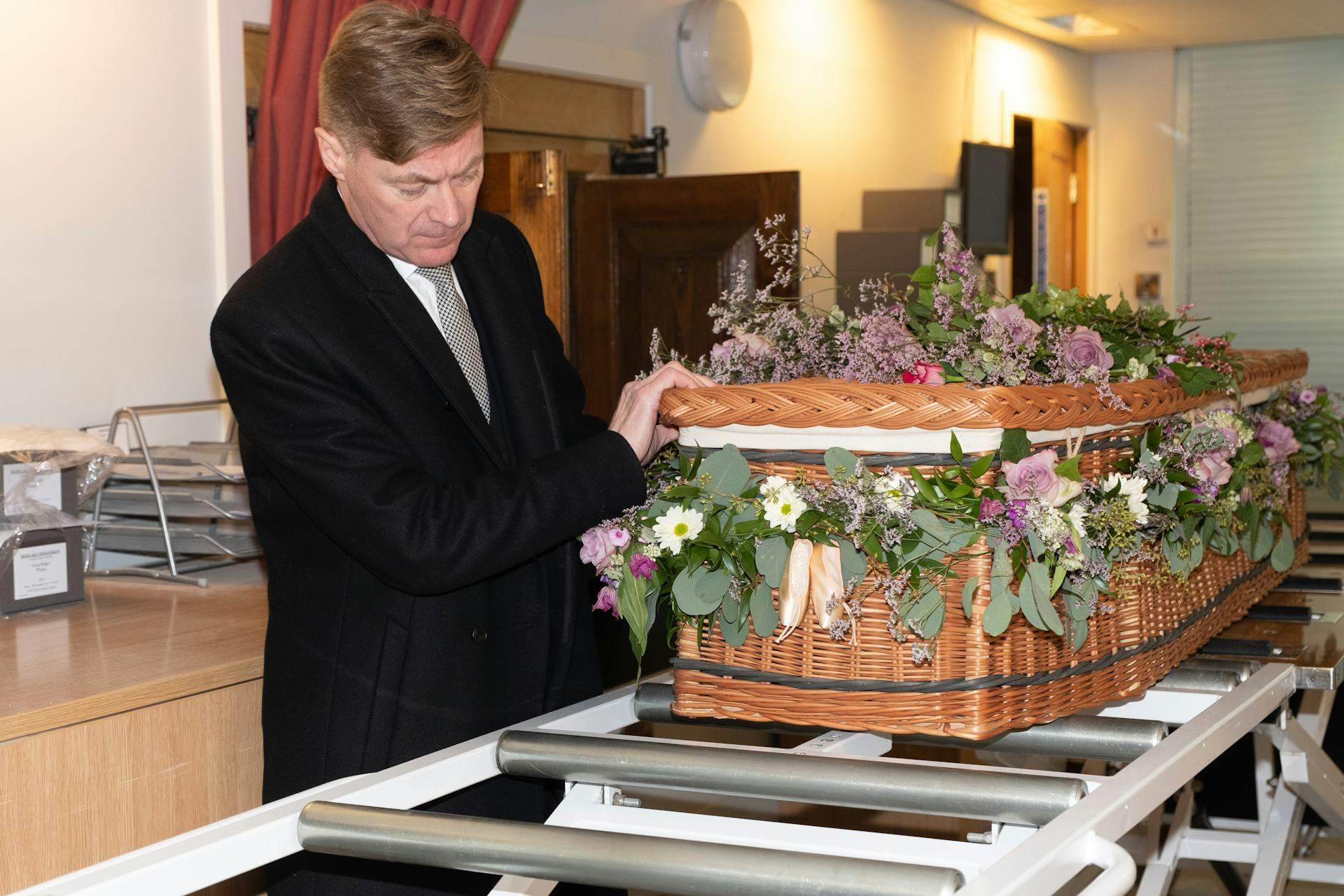
Flowers have long been a symbol of love, remembrance, and the cycle of life. Yet many cut flowers are imported from overseas and grown using energy-intensive methods and chemical fertilizers. Choosing seasonal and locally grown flowers can reduce the environmental footprint while supporting local growers.
Depending on the region and season, you might consider:
- Native wildflowers or arrangements that include greenery, herbs, or branches from your own garden.
- Organic flowers, grown without pesticides or synthetic fertilizers.
- Reusing flowers—for example, inviting guests to take a bloom home or repurposing arrangements for a community garden or nursing home.
If you’re using wreaths or floral displays, opt for biodegradable materials such as straw, moss, or natural twine instead of plastic foam bases. These choices allow the flowers to return gently to the earth.
Fabrics with Respect for Nature
Caskets, urns, and ceremonial fabrics can also reflect sustainable values. Many U.S. funeral homes now offer caskets and urns made from FSC-certified wood, recycled paper, or other natural materials that decompose cleanly. For green burials, biodegradable shrouds and simple wooden caskets are often preferred.
When it comes to fabrics—such as drapes, coverings, or clothing for the deceased—consider:
- Natural fibers like linen, cotton, or wool, free from synthetic dyes or finishes.
- Heirloom or repurposed textiles that carry personal meaning.
- Simplicity over excess—a minimalist approach can be both elegant and environmentally kind.
Sustainability isn’t only about what materials are used, but also how much. Often, less truly is more—both aesthetically and ecologically.
Læs også:


Decorations That Live On
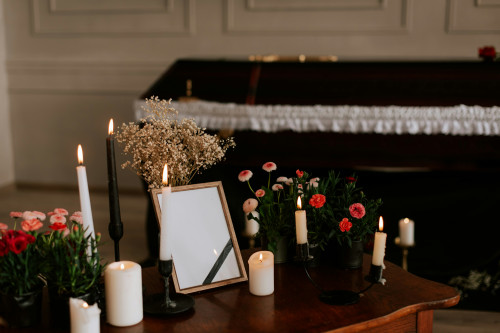
Decorations don’t have to be disposable. Many families now choose living plants in pots instead of cut flowers. These can later be planted in a garden or memorial site, creating a lasting tribute that continues to grow.
You can also get creative:
- Use reclaimed wood, glass, or stone as part of the décor.
- Create personal keepsakes—a candle in a reusable lantern, or a framed photo that later finds a place at home.
- Skip plastic ribbons and glitter; instead, choose natural fibers like jute, cotton, or hemp for ties and accents.
Even small choices can make a meaningful difference when shared by everyone attending the ceremony.
A Farewell in Harmony with Nature
A green farewell isn’t about following strict rules—it’s about creating a goodbye that feels right for both the heart and the planet. It might be a ceremony held outdoors, a burial in a conservation cemetery, or simply the decision to use local flowers instead of imported ones.
What matters most is that the farewell reflects the life and values of the person being honored. A sustainable goodbye can be a beautiful way to say farewell—one that lets nature be part of the story of love, loss, and the enduring connections that remain.
Læs også: